
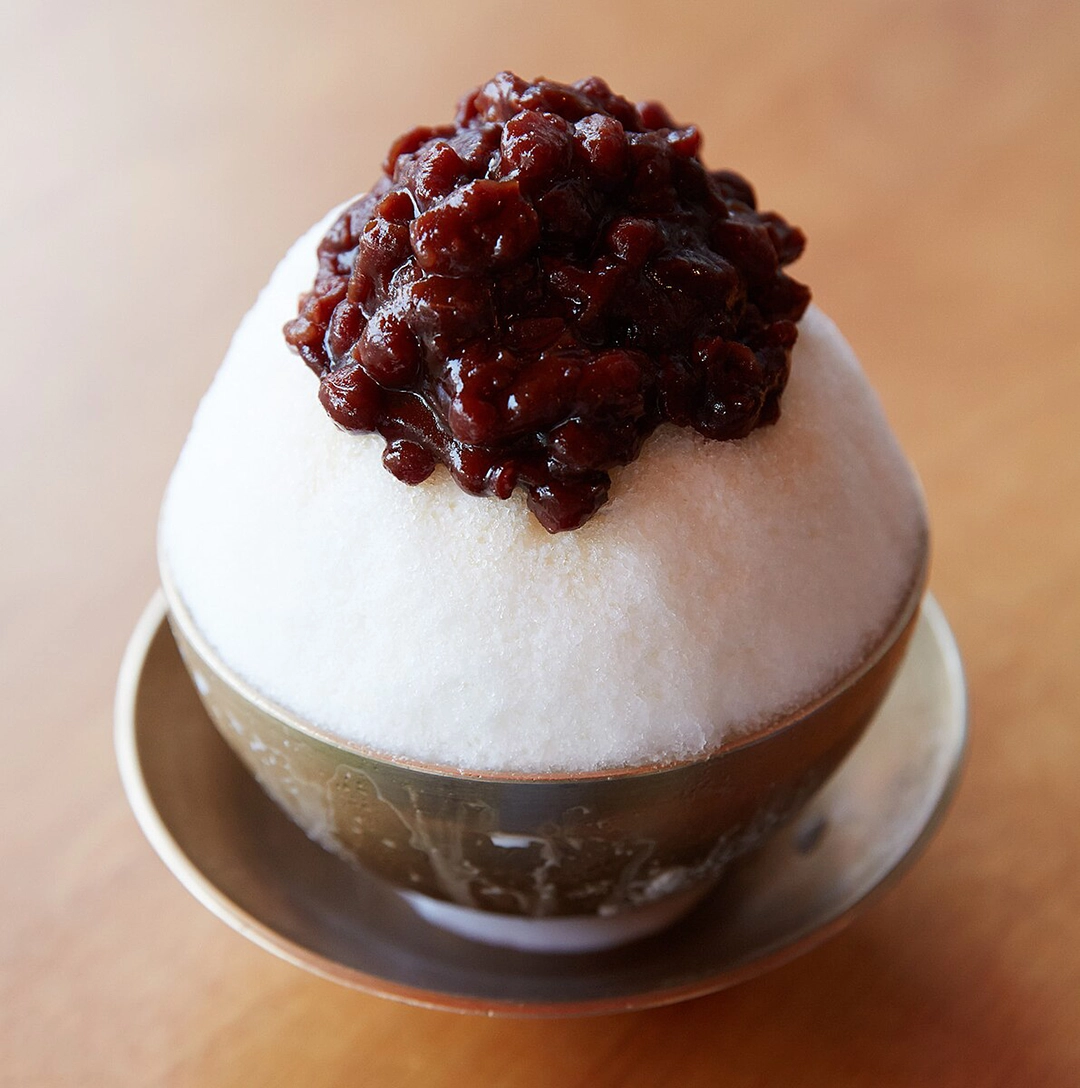
Bingsu has roots that stretch back to the Joseon Dynasty (1392–1897). During this time, the Korean elite would enjoy a simple form of shaved ice topped with sweetened red beans called patbingsu. Ice was harvested from frozen rivers and stored in icehouses, making it a rare and luxurious treat in the hot summer months.
In the early 1900s, bingsu began to spread beyond royal courts and became popular among the general public. Vendors started selling it in towns and cities, often with red bean, fruit, or syrup toppings. By the 1960s and 70s, bingsu was widely recognized as a summertime favorite, symbolizing relief from Korea’s hot, humid weather.
Bingsu has roots that stretch back to the Joseon Dynasty (1392–1897). During this time, the Korean elite would enjoy a simple form of shaved ice topped with sweetened red beans called patbingsu. Ice was harvested from frozen rivers and stored in icehouses, making it a rare and luxurious treat in the hot summer months.
달콤하다
In the early 1900s, bingsu began to spread beyond royal courts and became popular among the general public. Vendors started selling it in towns and cities, often with red bean, fruit, or syrup toppings. By the 1960s and 70s, bingsu was widely recognized as a summertime favorite, symbolizing relief from Korea’s hot, humid weather.
전통에 새로운
맛을 더하다
전통에 새로운
맛을 더하다
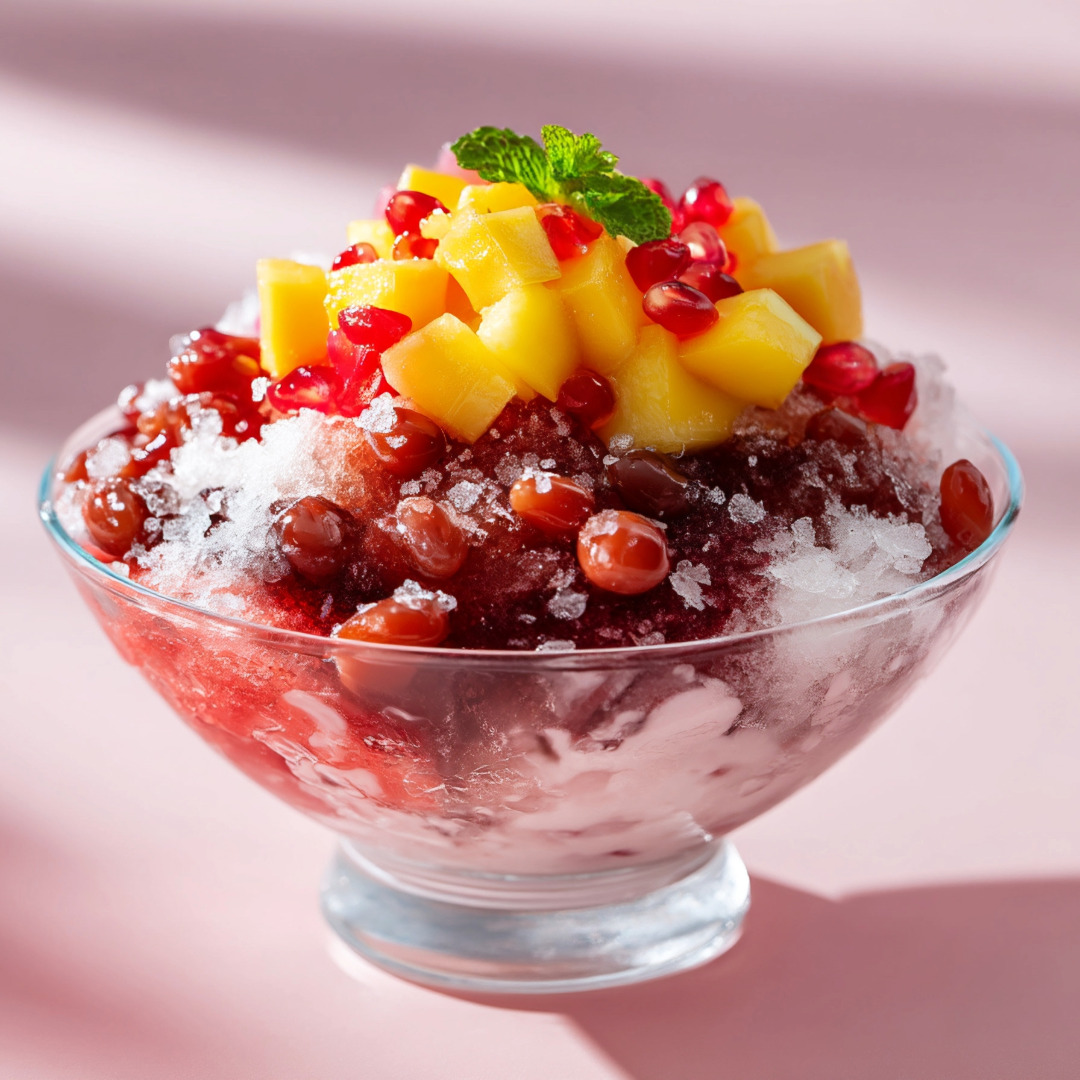
Today, bingsu has transformed into a creative
and visually stunning dessert. Modern versions
feature fluffy shaved ice made from milk, rather
than just ice, and are topped with a wide variety
of ingredients—fresh fruits, condensed milk, cereal, mochi, chocolate, or even ice cream. Cafes and dessert shops across Korea have elevated bingsu to an art form, attracting both locals and tourists.
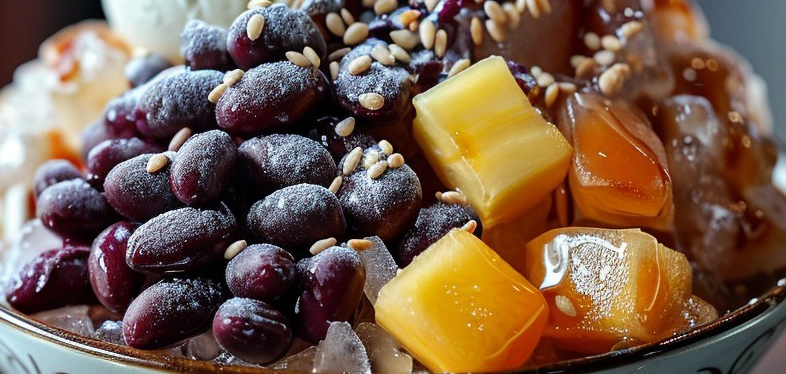
Today, bingsu has transformed into a creative and visually stunning dessert. Modern versions feature fluffy shaved ice made from milk, rather than just ice, and are topped with a wide variety of ingredients — fresh fruits, condensed milk, cereal, mochi, chocolate, or even ice cream. Cafes and dessert shops across Korea have elevated bingsu to an art form, attracting both locals and tourists.